



description1
Zipper closure
1/5 zip athletic pullovers for men. Stretchy, lightweight, fast-drying
fabric for superior performance.
REGULAR FIT - US standard sizes. An athletic fit that sits close to the
body
for a wide range of motion, designed for optimal performance and all day
comfort.
FEATURES - Quarter zip closure;Thumbholes on long sleeves to keep them
in
place during workout
Product Overview
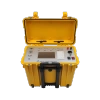
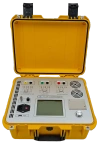
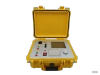
Section 1 : WDT-200 Sweep Frequency ResponseAnalyser (SFRA)
Introduction
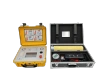
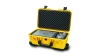
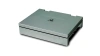
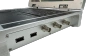
WDT-200 use SFRA method to assess whether or not a transformer has been subject to mechanical damage. It is built into a tough carry case which includes an on-board computer making it even more transportable. There is a large bright screen to make it comfortable to use even in bright sun light. Data can be stored on the hard-drive and can be downloaded using the USB port.
Specifications
| Output voltage | Vpp-25V automatic adjustment during test |
| Input impedance | 1MΩ (Built-in 50Ω matching resistance in the tes channel) |
| Frequency sweep range | 10Hz-16MHz (30MHz optional ) |
| Output impedance | 50Ω |
| Measuring dynamic range | -120dB~20dB |
| Frequency accuracy | 0.00001 |
|
Power supply
|
180-270V AC,50/60Hz |
| Environmental conditions | Operating temperature: -10℃~50℃ |
| Humidity: ≤90% | |
| Net size | 310×240×75mm |
| Net weight | 4.5kg |
| Total weight | 15kg (Including case and test cable set) |
Features

Applications
(Detects transformer problems such as: )
1.Winding deformations and displacements
2.Shorted turns and open windings
3.Broken clamping structures
4.Core connection problems
5.Partial winding collapse
6.Faulty core grounds
7.Core movements


Section 2 : Mini-WDT Sweep frequency response analyser controlled by PC
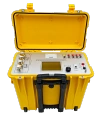
Mini-WDT and its software on a PC allows repeatable fingerprinting of transformers so that a scan can be run whenever it experiences a traumatic event such as transportation, severe fault or overhaul, allowing it to go back on line faster.
Related Products