


Product Category





There are many variations of passages of Lorem
Ipsum available, but the majority have suffered alteration in some form
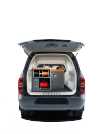
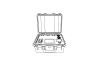
1.Test modes: DC Proof, Surge Pulse (thumping) at 8/16/32 kV with fully variable output ranges at all voltage settings and facilitating full high energy capacitive discharge at all three volatge taps delivering up to 2,432 Joules. Variable Discharge Rate 6 – 10 second discharge/thump rate
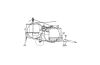
2.Easily installed in vehicles
3.Built-in TDR, ARM, ICE and DECAY
4.Controlled by a tablet
5.Fully insulated design
6.Equipped with intelligent mode and expert mode, suitable for different test situations
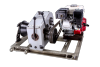
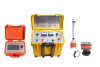
1.Applied to 220V-11kV power cables
2.Surging (thumping) 15kV, delivers 900J
3.Maximum safety during application
4.Support LV TDR, ICE and ARM prelocation methods (ARM is optional)
5.Magnetic-acoustic pinpointing
6.Each part can be used independently


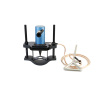
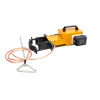
Cable Spiking Tool With Wireless Remote Control

Insulated Hydraulic Cutting Tool With Hand & Foot Pump
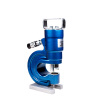
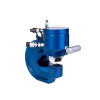

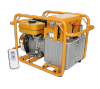
Double Action Gasoline Engine Pump
Wireless remote control
Contact US
Product Information
Quantity
Unit
Piece
Support order samples, customization, wholesale direct, and complete payment. If the product you look for does not have corresponding customized content, pls fill out the form below to contact us, and we will reply ASAP.